

When to Replace Your Timing Belt
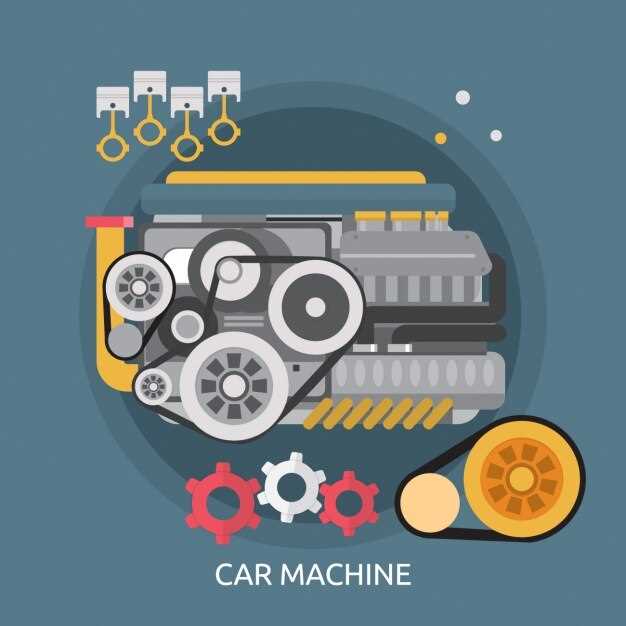
The timing belt is a critical component of an engine, ensuring that the crankshaft and camshaft operate in sync. Regular maintenance of this part is essential for the longevity and performance of your vehicle. Understanding the signs that indicate a timing belt replacement is necessary can save you from costly repairs and unexpected breakdowns.
Over time, timing belts experience wear and tear due to friction and heat. It is crucial to be aware of the symptoms that signify a failing timing belt, such as unusual noises from the engine, engine misfires, or difficulty starting the vehicle. Timely recognition of these indicators can help you take action before significant damage occurs.
In addition to knowing the warning signs, it is also vital to follow manufacturer-recommended maintenance schedules. Most vehicle manufacturers suggest replacing the timing belt every 60,000 to 100,000 miles, but this can vary based on make and model. Keeping a close eye on this essential aspect of car maintenance will ensure your engine runs smoothly and efficiently.
Identifying Warning Signs of a Worn Timing Belt

The timing belt is a crucial component in an engine, responsible for synchronizing the rotation of the crankshaft and camshaft. Recognizing the warning signs of a worn timing belt can prevent significant engine damage and costly repairs.
1. Unusual Noises: If you hear a high-pitched whirring or ticking noise coming from the engine, it may indicate that the timing belt is worn out or has become loose. These sounds often arise due to the belt slipping on the gears or the tensioner failing.
2. Engine Performance Issues: A worn timing belt can lead to poor engine performance. You may experience a drop in power, hesitation during acceleration, or difficulty starting the engine. These symptoms indicate that the timing belt may not be properly aligning the engine components.
3. Warning Light: Some vehicles are equipped with a warning light on the dashboard that signals engine issues. If this light illuminates, it may be related to the timing belt or other critical engine components. Early diagnosis is essential for avoiding further complications.
4. Visible Wear: Inspecting the timing belt for visible signs of wear can be beneficial. Look for cracks, fraying, or glazing on the belt surface. These physical indicators suggest that the belt is no longer functioning effectively and requires replacement.
5. Oil Leaks: Timing belts can be affected by oil leaks. Oil seeping onto the belt can deteriorate its material, making it more susceptible to damage. If you notice oil around the timing cover, it’s essential to address the leak promptly.
6. Engine Misfiring: A malfunctioning timing belt can cause the engine’s timing to be off, resulting in misfires. If your vehicle is experiencing engine misfiring, uneven idling, or stalling, this could suggest a timing belt issue.
Regular maintenance and timely inspections can help identify these warning signs early. Always refer to the vehicle’s manual for recommended timing belt replacement intervals and consult a professional mechanic if any warning signs arise.
Step-by-Step Guide for Timing Belt Replacement
Replacing a timing belt is crucial for maintaining your engine’s performance. Follow this step-by-step guide to ensure a successful replacement process.
Step 1: Gather Necessary Tools and Materials
Before starting, make sure you have all the tools required for the job. You will typically need a socket set, torque wrench, timing belt kit, and potentially a camshaft locking tool.
Step 2: Disconnect the Battery
Safety is paramount. Begin by disconnecting the negative terminal of the battery to prevent any electrical shorts during the process.
Step 3: Remove Engine Covers
Take off any components obstructing access to the timing belt. This may include removing the engine covers, accessory belts, and pulleys based on your vehicle’s design.
Step 4: Align Timing Marks
Rotate the engine crankshaft to align the timing marks on the crankshaft and camshaft gears. This step is critical to ensure the engine remains in the correct timing position during the belt installation.
Step 5: Remove Old Timing Belt
Loosen the tensioner and remove the old timing belt carefully. Make sure to observe the routing of the belt as you dismantle it. This will help in positioning the new belt correctly.
Step 6: Inspect Components
While the timing belt is off, inspect the tensioner, idler pulleys, and other related components for wear and tear. Replace any parts that show signs of damage or excessive wear.
Step 7: Install New Timing Belt
Position the new timing belt according to the manufacturer’s specifications, ensuring it’s correctly routed around pulleys and aligned with timing marks. Secure the belt in place before tightening the tensioner.
Step 8: Reassemble Engine Components
Once the new timing belt is installed, reattach any components you removed earlier. Replace the engine covers, pulleys, and accessory belts as needed.
Step 9: Reconnect Battery and Test
Reconnect the battery terminal and start the engine to check for any abnormal noises or issues. Allow the engine to run for a few moments to ensure everything is functioning properly.
Step 10: Regular Maintenance
Keep records of your timing belt replacement. Regularly check belt tension and condition to ensure longevity and optimal performance.
Maintenance Tips to Extend Timing Belt Life
Regular inspections of your timing belt can help identify early signs of wear and tear. Check for cracks, fraying, or any signs of oil contamination. A visual inspection every few months is advisable, especially if your vehicle is older or has high mileage.
Ensure that your engine’s pulleys and tensioners are in good condition. Worn or misaligned pulleys can lead to premature belt wear. Regularly replacing these components during a timing belt change can significantly extend the lifespan of the belt.
Maintain proper engine oil levels and quality. Dirty oil can contribute to overheating, which can adversely affect the timing belt. Regular oil changes will keep your engine running smoothly and help protect the belt from damage.
Monitor your engine’s temperature. Overheating can cause the timing belt to degrade faster than normal. If your vehicle shows signs of overheating, address the issue immediately to prevent unnecessary strain on the belt.
Consider using high-quality timing belts made from durable materials. While it may be tempting to opt for cheaper options, investing in a premium belt can pay off in terms of longevity and performance.
Follow the manufacturer’s recommended replacement schedule. Timing belts typically have a lifespan of 60,000 to 100,000 miles, but this can vary. Adhering to the specific guidelines for your vehicle model can help avoid unexpected failures.
Avoid excessive idling or short trips that do not allow the engine to reach optimal operating temperature. Short drives can contribute to increased wear on the timing belt and related components.
Finally, keep an ear out for unusual noises from the engine, such as squeaking or grinding sounds. These can indicate that the timing belt or associated parts may require attention before they lead to more significant issues.