

When to Replace Your Tires
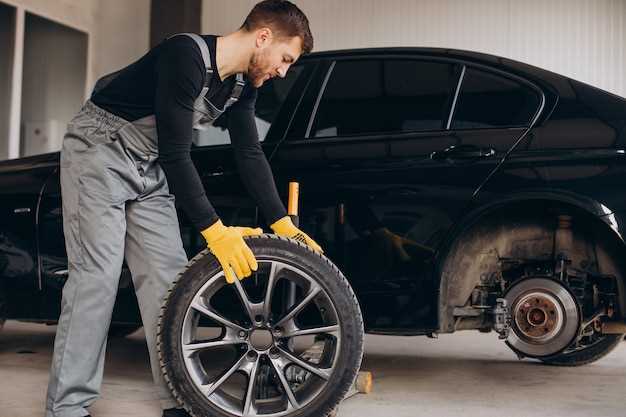
Tires are a critical component of your vehicle, playing a vital role in ensuring safe driving conditions. One of the most important factors in tire maintenance is the timely replacement of tires when they show signs of wear. Recognizing these indicators can prevent accidents and enhance the overall performance of your vehicle.
The tread depth of your tires is crucial for maintaining proper traction and handling, especially in adverse weather conditions. As tires wear down, their ability to grip the road diminishes, increasing the risk of hydroplaning and other dangerous situations. Understanding when to replace your tires based on tread wear can help ensure not only your safety but also the safety of others on the road.
In this article, we will explore the key signs that indicate it’s time for tire replacement. By being aware of these indicators, you can make informed decisions and take proactive steps toward maintaining the integrity of your vehicle’s performance.
How to Measure Tread Depth Accurately
Measuring the tread depth of your tires is crucial for ensuring optimal performance and safety on the road. As tires wear down, their ability to grip the surface diminishes, potentially leading to hazardous driving conditions. To assess whether it’s time for a replacement, you can follow these steps for an accurate measurement.
First, gather a tread depth gauge, which can be found at most auto parts stores, or use a simple penny test. For the penny method, take a penny and insert it into the tread grooves with Lincoln’s head facing down. If you can see the top of Lincoln’s head, it indicates that your tread depth is less than 2/32 of an inch and replacement is necessary.
If using a tread depth gauge, insert the probe into the groove of the tire tread. Ensure the base of the gauge is flat against the tire surface for an accurate reading. Most gauges will provide a measurement in 32nds of an inch, helping you determine how much tread remains. A minimum tread depth of 2/32 inch is recommended for safe driving in wet conditions.
Check the tread depth at multiple points across the tire, including both the inside and outside edges, as well as the center. Wear may not be uniform, and this method ensures that you are getting a comprehensive understanding of the tire’s condition. If your readings vary significantly, it may indicate other issues, such as improper alignment or inflation.
Regularly measuring the tread depth allows you to track wear over time. If you’re approaching the minimum tread depth, it is essential to plan for a timely tire replacement. By keeping a close eye on your tire tread, you enhance your safety and improve your vehicle’s performance.
Common Warning Signs of Worn Tires
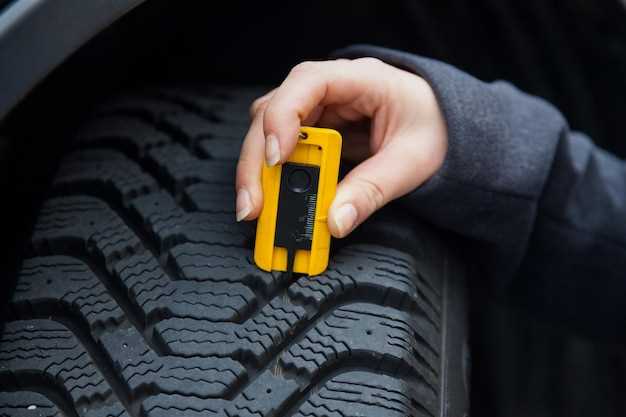
Tires are essential for safe driving, and knowing when to replace them is crucial. Here are some common warning signs that indicate your tires may be worn and need replacement:
- Low Tread Depth: The tread depth plays a significant role in traction, especially in wet conditions. If the tread depth is less than 2/32 of an inch, it’s time to consider new tires. Use a tread depth gauge or the penny test to check.
- Uneven Wear: Inspect your tires regularly for uneven tread wear patterns. If one side of the tire is wearing down faster than the other, this may indicate misalignment or improper inflation. Address the underlying issue and replace the tires if necessary.
- Cracks and Cuts: Examine the sidewalls for any visible cracks or cuts. These damages can compromise the tire’s integrity, making it more susceptible to blowouts.
- Bald Spots: Bald patches on tires can occur due to various factors, including improper inflation and faulty suspension. If you notice bald spots, it’s a sign that the tire has reached its functional limit and should be replaced.
Being proactive about tire maintenance and recognizing these warning signs can enhance your safety on the road. Regular checks and timely replacements are vital for maintaining optimal performance.
When to Seek Professional Tire Replacement Services
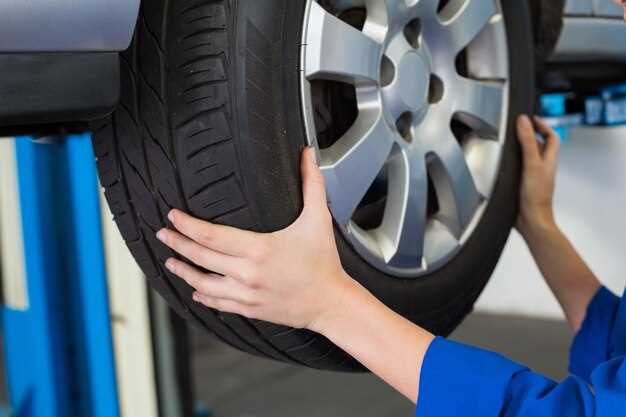
It is essential to monitor the condition of your tires closely, as they are critical to your vehicle’s safety and performance. One of the primary indicators that you should consider professional tire replacement services is the tread depth. If the tread has worn down to 2/32 of an inch or less, it is time to seek assistance from a tire specialist. Low tread depth can severely compromise traction, especially in wet or slippery conditions.
Another sign that professional help is necessary is the presence of visible damage on the tires, such as cracks, bulges, or punctures. Even if the tread appears adequate, significant structural damage can lead to tire failure while driving. A professional can assess whether a replacement is necessary or if the tire can be repaired safely.
Additionally, if your vehicle experiences vibrations or pulls to one side while driving, it may signal uneven tire wear or internal issues that necessitate replacement. A trained technician can evaluate the causes of these symptoms and recommend appropriate actions.
Lastly, if you find your tires are older than six years, regardless of tread wear, it is advisable to consider replacing them. Older tires become more susceptible to failure even without visible damage. Regular inspections by a professional can help in determining the right time for tire replacement based on an accurate assessment of your tires’ overall condition.