

Understanding Tire Wear Patterns
Understanding tire wear patterns is essential for effective vehicle maintenance and safety on the road. Tires are the crucial point of contact between a vehicle and the road, and their condition directly affects handling, fuel efficiency, and overall driving experience. When tires wear unevenly, it can indicate underlying issues that need immediate attention, such as improper alignment.
Correct alignment ensures that your tires make proper contact with the road surface, promoting even wear and prolonging the life of your tires. Different wear patterns can reveal a lot about the tire’s health and the vehicle’s performance. For instance, excessive wear on one side can signal misalignment, while feathering at the edges may indicate issues with the suspension system.
By examining these wear patterns closely, vehicle owners can take proactive steps to maintain their tires and, in turn, enhance their cars’ overall performance. Regular inspections and timely interventions not only help in extending tire life but also improve safety and reduce long-term costs associated with tire replacements and repairs.
Identifying Common Tire Wear Patterns and Their Causes
Tire wear is an inevitable part of vehicle operation, but understanding the patterns can significantly enhance maintenance practices. Analyzing tire wear can provide insights into underlying issues that may affect performance and safety. Here are some common tire wear patterns and their causes:
1. Uneven Wear: This pattern typically manifests as wear on one side of the tire tread. Causes include improper wheel alignment, which can result from hitting potholes or curbs, and unbalanced tires. Regularly checking alignment can prevent this issue and extend tire lifespan.
2. Center Wear: When the tread in the center of the tire wears more quickly than the edges, it indicates over-inflation. Tires that are too inflated can lead to reduced contact with the road, compromising grip and leading to a safety hazard. Ensuring proper tire pressure is crucial for even wear.
3. Edge Wear: If the outer edges of the tire tread show more wear than the center, this is often a sign of under-inflation. Incorrect pressure can cause excess flexing, leading to premature tire failure. Regular tire pressure checks are essential for preventing this type of wear.
4. Cup Wear: This pattern appears as a series of high and low points across the tread surface, often linked to worn suspension components. Shock absorbers and struts that fail to control tire movement can create this wear pattern. Regular suspension inspections can help mitigate this issue.
5. Patch Wear: When certain spots on the tire tread wear more than others, it can indicate localized issues, such as a damaged tire or misalignment. In such cases, it’s crucial to inspect the tire for any debris or foreign objects that may have caused this uneven wear. Addressing these issues promptly is vital for both safety and performance.
Understanding these common tire wear patterns aids in identifying maintenance needs and ensuring safer driving conditions. Regular inspections and proactive maintenance not only prolong tire life but also enhance performance and fuel efficiency.
Impact of Wheel Alignment on Tire Longevity and Performance
Proper wheel alignment is crucial for maintaining the longevity and performance of tires. When wheels are misaligned, it can lead to uneven tire wear, resulting in a reduced lifespan for the tires. Misalignment can occur due to various factors such as hitting a pothole, accidents, or normal wear and tear over time.
When tires are not properly aligned, they do not make optimal contact with the road surface. This irregular contact leads to increased friction and can cause specific patterns of wear, such as cupping or scalloping. These wear patterns not only diminish the lifespan of the tire but also affect the handling and stability of the vehicle, making it less safe to drive.
Regularly checking and adjusting wheel alignment is essential for ensuring that tires wear evenly. Correct alignment promotes uniform contact with the road, enhances grip, and improves fuel efficiency. Additionally, well-aligned wheels reduce the strain on suspension components, leading to lower maintenance costs for the vehicle overall.
Furthermore, it’s important to understand that properly aligned wheels can contribute to a smoother driving experience. Vehicle dynamics improve significantly when alignment is maintained, resulting in better steering response and increased driver confidence.
In summary, consistent wheel alignment checks are a vital component of tire maintenance. Ensuring that tires are appropriately aligned will not only extend their life but also enhance overall vehicle performance and safety.
Practical Tips for Monitoring and Adjusting Tire Conditions
Regular monitoring of tire conditions is essential to ensure optimal vehicle performance and safety. Start by conducting visual inspections at least once a month. Look for any signs of uneven wear, such as bald patches or excessive tread wear on one side of the tire, which could indicate misalignment.
Checking tire pressure is another critical aspect of maintenance. Use a reliable tire gauge to measure the pressure and adjust it according to the manufacturer’s specifications found in the owner’s manual or on the driver’s side door jamb. Under-inflated tires can lead to increased wear and compromised fuel efficiency.
When assessing wear patterns, pay attention to the tread depth. A simple test is the penny test: insert a penny into the tread with Lincoln’s head facing down. If you can see the top of his head, it’s time to replace the tire. Maintaining sufficient tread depth enhances traction and reduces the risk of hydroplaning.
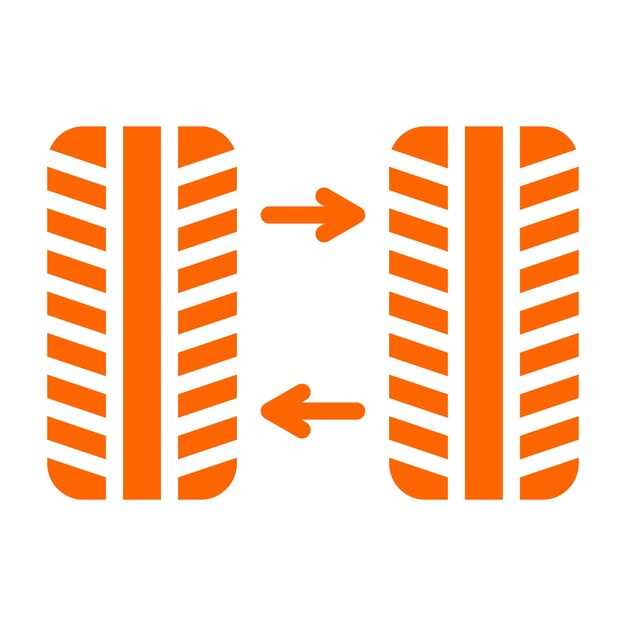
Rotation of tires must be practiced every 5,000 to 7,500 miles, or as recommended by the vehicle manufacturer. This helps to even out wear and prolong the lifespan of the tires. Front tires tend to wear faster due to steering and weight distribution, so regular rotation helps to maintain balanced wear across all four tires.
Incorporate alignment checks into your maintenance routine, especially after hitting potholes or curbs. Misalignment can cause tires to wear unevenly and can diminish handling performance. If you notice your vehicle pulling to one side or the steering wheel is off-center, it may be time for an alignment adjustment.
Lastly, invest in professional tire balancing services. Unbalanced tires can lead to vibration while driving, resulting in premature wear. Balancing is often included when new tires are installed but may need to be checked periodically, especially after tire rotations or alignments.