

The Importance of Wheel Alignment

Proper wheel alignment is a critical aspect of vehicle maintenance that directly impacts both steering performance and overall driving safety. When the wheels of a vehicle are aligned correctly, the vehicle handles better, providing a smoother driving experience and more precise control over the steering system. Conversely, improper alignment can lead to a variety of issues, including uneven tire wear, decreased fuel efficiency, and compromised safety.
Misalignment can occur due to several factors, such as hitting a pothole, frequent driving on rough terrain, or even normal wear and tear. When wheels are out of alignment, the angles at which they make contact with the road surface are altered, which affects the directional stability of the vehicle. This misalignment can cause the vehicle to pull to one side, making steering difficult and potentially dangerous.
Understanding the significance of proper wheel alignment is essential for every vehicle owner. Regular checks and adjustments ensure that the vehicle operates efficiently, prolongs the lifespan of tires, and enhances the safety for both the driver and passengers. Timely maintenance of wheel alignment can prevent costly repairs in the long run and promote a more enjoyable driving experience.
How Improper Wheel Alignment Affects Steering Control
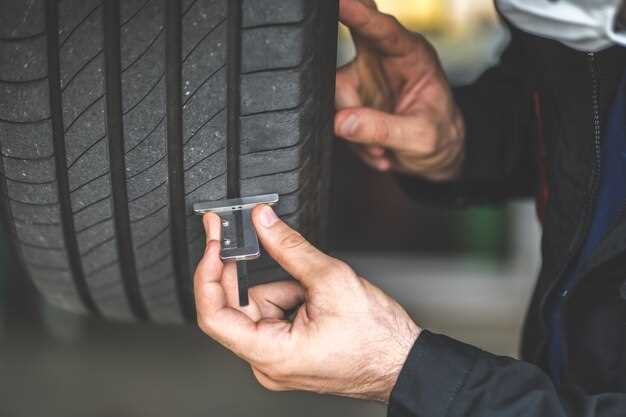
Improper wheel alignment significantly compromises a vehicle’s steering control, resulting in unpredictable handling and potential safety hazards. When the wheels are not aligned correctly, they do not point in the same direction, causing the vehicle to drift or pull to one side. This misalignment creates uneven tire wear, which further exacerbates steering issues and can lead to decreased traction.
Drivers may experience difficulty maintaining a straight path, necessitating constant corrections to the steering wheel. This added effort can lead to driver fatigue, increasing the likelihood of accidents. Moreover, misalignment affects the vehicle’s suspension system, causing components to wear prematurely and potentially leading to costly repairs.
Furthermore, improper alignment alters the vehicle’s responsiveness when navigating turns or abrupt maneuvers. A misaligned vehicle may feel unstable, making it challenging to execute safe turns. This unpredictability can cause oversteering or understeering, further endangering the driver and passengers.
To ensure optimal steering control, regular alignment checks are crucial. Addressing alignment issues promptly helps maintain vehicle safety, improve handling precision, and extend tire life. Proper alignment is essential for a smooth, safe driving experience, emphasizing the importance of routine maintenance.
Signs Your Vehicle Needs Wheel Alignment Adjustment
One of the most noticeable signs that your vehicle requires a wheel alignment adjustment is when the steering wheel pulls to one side while driving. If you find yourself constantly correcting the steering to keep your car going straight, this is a clear indication that the alignment is off.
Another sign is uneven tire wear. Inspect your tires for any bald spots or uneven tread. If the wear is more pronounced on one side than the other, it suggests that the wheels are not properly aligned, leading to more friction on certain areas of the tire.
Additionally, if you notice a vibration in the steering wheel, it may signal alignment issues. This vibration can occur due to misalignment affecting how the tires contact the road, leading to an uncomfortable driving experience.
Furthermore, if your steering wheel is off-center when driving straight, it indicates that the alignment has been compromised. A correctly aligned vehicle should have the steering wheel positioned straight ahead.
Lastly, if your vehicle experiences a sudden change in handling, such as excessive bouncing or swaying, it may require an alignment adjustment. This change can affect your steering precision, making it essential to address any alignment problems promptly.
The Cost Benefits of Regular Wheel Alignment Maintenance

Regular wheel alignment maintenance is a key aspect of vehicle upkeep that can lead to significant cost savings over time. When wheels are properly aligned, tires wear evenly, extending their lifespan and reducing the frequency of replacements. This not only saves money on tire purchases but also minimizes expenses associated with labor for installation and disposal of old tires.
Additionally, proper alignment enhances fuel efficiency. Misaligned wheels can cause increased rolling resistance, leading to higher fuel consumption. By ensuring that the wheels are aligned, drivers can experience improved mileage, translating into considerable savings at the gas pump.
Moreover, regular wheel alignment reduces the risk of suspension wear and tear. Components such as shocks, struts, and other suspension parts endure less strain when the wheels are aligned correctly. This can decrease the likelihood of costly repairs and replacements of these vital components, ultimately saving drivers money in the long run.
Finally, maintaining wheel alignment also improves overall vehicle safety. Properly aligned wheels enhance handling and stability, ensuring a smoother driving experience. Increased safety can help prevent accidents, which can lead to costly insurance claims and repairs. In essence, investing in regular wheel alignment services can provide significant financial benefits, making it a wise choice for vehicle owners.