

How Often Should You Change Your Oil?

Proper care for your vehicle’s engine is essential to ensure its longevity and optimal performance. One of the most crucial maintenance tasks is regularly changing the oil. Engine oil is the lifeblood of your car, providing lubrication, cooling, and cleaning properties that allow your engine to function smoothly. Over time, oil can degrade and lose its effectiveness, leading to potential engine damage.
Determining how often you should change your oil can depend on several factors, including the type of oil used, your driving habits, and the manufacturer’s recommendations. Most experts suggest changing your oil every 3,000 to 5,000 miles for conventional oil, while synthetic oils may last longer. However, frequent short trips, heavy loads, or stop-and-go traffic can necessitate more frequent changes, as these conditions can cause the oil to break down more quickly.
Understanding the needs of your engine and keeping a consistent oil change schedule can save you time and money in the long run. Regular oil changes help prevent costly repairs and keep your engine running efficiently. Stay informed and dedicated to your vehicle’s maintenance, and you will ensure that your car remains reliable for years to come.
Recommended Oil Change Intervals for Different Engine Types

Choosing the right oil change interval can depend significantly on the type of engine in your vehicle. Generally, conventional engines require more frequent oil changes compared to modern engines that use synthetic oil.
For traditional gasoline engines, it is often recommended to change the oil every 3,000 to 5,000 miles. This ensures optimal performance and longevity, as conventional oil can degrade in this timeframe due to heat and contaminants.
Modern gasoline engines that utilize synthetic oil can extend the oil change interval to about 7,500 to 10,000 miles. Synthetic oil is engineered to withstand higher temperatures and resist breaking down, making it a preferred choice for performance engines.
Diesel engines, on the other hand, have different requirements. It’s recommended to change diesel engine oil every 5,000 to 7,500 miles. Diesel oils contain additives specifically designed to handle the unique demands and pollutants of diesel fuel, thus requiring more frequent changes for optimal care.
Hybrid engines combine both gasoline and electric power, and the recommended oil change interval falls somewhere between conventional and synthetic oils, typically around 5,000 to 7,500 miles. Regular maintenance is crucial for these engines to perform efficiently, especially as they can be driven in varied conditions.
Ultimately, understanding your engine type and following the recommended oil change intervals is essential for maintaining engine health and ensuring long-term reliability. Proper oil care not only enhances performance but also contributes to better fuel efficiency.
Signs Indicating It’s Time for an Oil Change
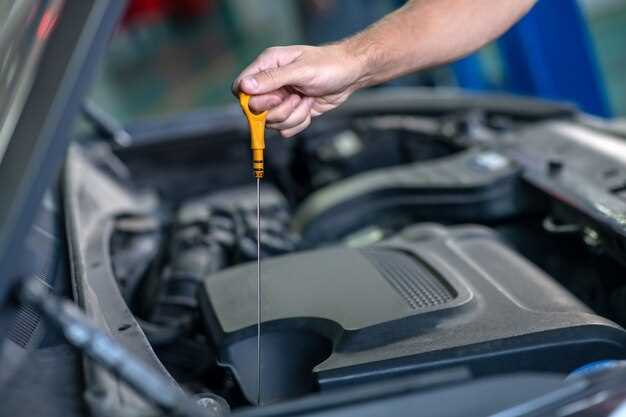
Taking care of your vehicle’s engine is essential for maintaining its performance and longevity. Paying attention to certain signs can help you determine when it’s time to change your car’s oil.
1. Engine Noise: If you notice an increase in engine noise, it may indicate that the oil is old and not lubricating the engine components effectively. Fresh oil keeps the engine quiet, while dirty oil can lead to knocking or grinding sounds.
2. Oil Color and Consistency: Regularly check your oil for color and thickness. Clean oil is amber in color and smooth in texture. If the oil is dark and gritty, it’s a sign that it needs changing.
3. Oil Change Light: Many modern vehicles have an oil change light on the dashboard. When this light illuminates, it serves as a reminder that it’s time to change the oil and maintain care for your engine.
4. Exhaust Smoke: If you see blue or gray smoke coming from your exhaust, it could be a sign of burning oil, which often means the oil is old or contaminated. Addressing this issue promptly is crucial for your engine’s health.
5. Mileage and Time: Following the manufacturer’s recommended oil change intervals is vital. Typically, it is advised to change the oil every 3,000 to 5,000 miles or every three to six months, depending on driving conditions.
Being proactive in changing your car’s oil based on these signs will help you take better care of your engine and ensure its smooth operation.
The Impact of Oil Quality on Engine Longevity
The quality of oil plays a crucial role in ensuring the longevity and performance of your engine. Proper lubrication reduces friction and prevents wear, which can significantly extend the lifespan of engine components. High-quality oil offers numerous benefits compared to lower-grade alternatives.
- Friction Reduction: Quality oil ensures that engine parts maintain a protective film. This minimizes metal-to-metal contact and reduces the overall wear rate.
- Heat Dissipation: Engine oil helps absorb and dissipate heat generated during operation. Premium oils are better at managing high temperatures, preventing overheating and associated damage.
- Contaminant Suspension: Superior oils are formulated to better suspend dirt, debris, and combustion byproducts, preventing them from settling in the engine and causing harm.
- Oxidation Resistance: High-quality oil contains additives that slow down oxidation, preventing the formation of sludge and varnish that can clog engine passages.
- Improved Engine Cleanliness: Quality oil helps keep the engine clean, promoting better efficiency and performance over time.
To maximize engine longevity, it’s essential to choose the right oil based on manufacturer specifications and driving conditions. Regularly checking oil quality and performing timely changes are vital components of proper vehicle care.
- Use oils that meet or exceed manufacturer standards.
- Consider synthetic oil for enhanced performance and protection.
- Monitor oil levels and condition regularly.
- Change oil as recommended to ensure optimal lubrication.
Investing in high-quality oil not only protects your engine but also contributes to a smoother driving experience and long-term reliability.