

Diagnosing a Dead Battery

When you encounter a dead battery, whether in your vehicle, electronic device, or home appliance, the situation can be frustrating and inconvenient. Identifying the root cause of a battery failure is essential for implementing the right solution, ensuring that you avoid unnecessary replacements or repairs. This guide aims to equip you with the necessary tools and knowledge to diagnose dead batteries effectively.
A battery is a critical component that stores and supplies electrical energy for various applications. Understanding the signs of a failing battery and the common reasons behind its failure can save you time and resources. From corrosion on terminals to improper usage, there are several factors that can lead to a dead battery.
In this troubleshooting guide, we will walk you through a systematic approach to diagnosing the issue. You will learn about essential tests, including voltage measurements and load testing, as well as simple maintenance tips that can extend the life of your battery. By following this comprehensive guide, you can become proficient in identifying battery problems and implementing effective solutions.
Identifying Common Signs of Battery Failure
Recognizing the early indicators of battery failure is crucial for preventing unexpected breakdowns. One of the most obvious signs is slow engine cranking. If you notice that your vehicle takes longer than usual to start, it may be a symptom of a weak battery.
Another common sign is dim or flickering lights. This can include dashboard lights or headlights that do not shine brightly or seem to pulse, suggesting that the battery is struggling to deliver adequate power.
Inconsistent electrical functions can also point to battery troubles. If electronic accessories, such as power windows or radio, work intermittently, the battery may not be supplying consistent voltage.
Corrosion on battery terminals is a physical indicator of potential battery failure. If you see white, ashy residue on the terminals, it can hinder electrical flow and suggest that replacement may be necessary.
Battery warning lights appearing on the dashboard can provide important alerts. If you notice this light illuminating while driving, it may indicate that your battery is not charging properly.
Lastly, an unusual smell, often described as rotten eggs, can suggest a leaking battery. This smell results from sulfuric acid leakage and indicates a severe issue requiring immediate attention.
Step-by-Step Testing Methods for Battery Voltage
To accurately determine the voltage of a battery, follow these systematic steps. Ensuring that electrical connections are secure and intact is crucial for obtaining precise measurements.
1. Gather Necessary Tools: Start by collecting a multimeter. Ensure it is set to the correct voltage range, typically 20V for most battery tests.
2. Prepare the Battery: If the battery is installed in a device, power it off and disconnect any load. For standalone batteries, inspect the terminals for corrosion or dirt, and clean if necessary.
3. Connect the Multimeter: Attach the positive (red) probe of the multimeter to the positive terminal of the battery. Similarly, connect the negative (black) probe to the negative terminal. Ensure a firm connection to avoid inaccurate readings.
4. Read the Voltage: Observe the multimeter display for the voltage reading. For fully charged lead-acid batteries, the voltage should typically be around 12.6 to 12.8 volts. Lithium-ion batteries should read about 3.7 to 4.2 volts per cell, depending on their charge status.
5. Interpret the Results: Compare the voltage reading to the battery’s nominal voltage. A significantly lower voltage indicates a discharged or faulty battery, while an acceptable voltage suggests the battery is in good health.
6. Recheck if Necessary: If any discrepancies arise, repeat the measurement to ensure accuracy. This step is especially important when troubleshooting issues with electrical equipment.
7. Additional Testing: If voltage is lower than expected, conduct a load test using a battery load tester. This evaluates the battery’s performance under a simulated load, providing further insight into its condition.
By following these steps, you will effectively assess the voltage of a battery and identify potential issues. Regular testing can prolong battery life and enhance the reliability of your electrical systems.
Safe Disposal and Replacement Options for Dead Batteries
Proper disposal and replacement of dead batteries are essential for maintaining environmental safety and ensuring functional efficiency. Here are key considerations for managing dead batteries effectively:
Safe Disposal Methods
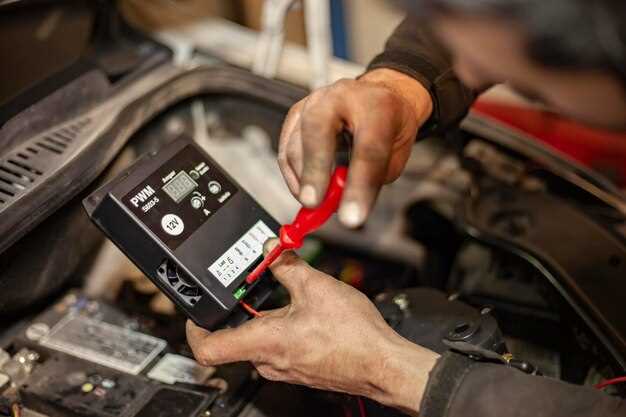
Discarding batteries improperly can lead to environmental hazards due to toxic materials they may contain. Follow these disposal methods to ensure safety:
- Recycling Centers: Locate local recycling centers that specialize in battery disposal. Many municipalities offer drop-off programs for used batteries.
- Retail Collection Programs: Many electronics retailers provide battery recycling programs. Check with local stores to see if they accept used batteries.
- Municipal Hazardous Waste Collection: Participate in community hazardous waste collection days that often accept batteries along with other hazardous materials.
- Mail-in Recycling Programs: Some organizations offer mail-in programs for battery recycling. You can send spent batteries in pre-paid packages for safe recycling.
Replacement Options

When replacing dead batteries, consider the following options to ensure compatibility and performance:
- Same Type Replacement: Always replace dead batteries with the same type (alkaline, lithium, rechargeable, etc.) to avoid functional issues.
- Rechargeable Batteries: Consider using rechargeable batteries. They are more sustainable in the long run and can be reused numerous times, reducing waste.
- Compare Brands: Evaluate different brands to find high-quality batteries with longer lifespans and better performance ratings.
- Battery Packs: For devices like cameras or tools, consider replacing with battery packs designed specifically for your device’s requirements to ensure optimal performance.
Adhering to these disposal methods and replacement options will not only protect the environment but also extend the life of your devices and help maintain their performance levels.