

Checklist for Buying a Used Car

Buying a used car can be a daunting task, especially when navigating through the myriad of options available in the market. To ensure that you make a wise investment, having a checklist is essential. This guide will walk you through the crucial steps needed to evaluate a pre-owned vehicle effectively.
As a smart buyer, your focus should be on assessing the car’s condition, verifying its history, and understanding the financial implications. By following a well-structured checklist, you can avoid common pitfalls and make an informed decision. This approach will help you save money and ensure that the vehicle you choose is reliable and meets your needs.
In the following sections, we will delve into the vital aspects to consider during your search for a used car, including important questions to ask the seller and key factors to inspect. Arm yourself with this knowledge, and turn the daunting task of buying a used car into a confident and successful experience.
Researching Vehicle History and Ownership
Before finalizing the purchase of a used car, it is crucial to conduct thorough research on its history and ownership. This step will help you uncover potential red flags that may affect your decision.
Start by obtaining the Vehicle Identification Number (VIN). This unique code allows you to access detailed records about the car’s past. You can utilize various online platforms, such as Carfax or AutoCheck, which provide comprehensive reports. These reports typically include information on previous accidents, service history, title status, and odometer readings.
Pay close attention to any reported accidents. Even minor collisions can lead to significant mechanical issues if not properly repaired. Knowing whether the car has been labeled as a total loss in the past is vital, as this can reflect its resale value and overall reliability.
Ownership history is just as important. A vehicle that has changed hands frequently may indicate underlying problems. Ideally, you should look for cars that have had a consistent ownership pattern, suggesting they’ve been well-maintained.
In addition, check for any outstanding recalls on the vehicle. Manufacturers may issue recalls for safety or performance issues, and it’s your responsibility to ensure these have been addressed before purchasing a used car.
Finally, reach out to the previous owner, if possible. They can provide insights about the car’s performance, maintenance, and any issues they may have encountered. This personal touch can reveal details not found in official records.
By diligently researching vehicle history and ownership, you will make a more informed decision, ultimately leading to a satisfactory purchase experience.
Conducting a Thorough Inspection and Test Drive
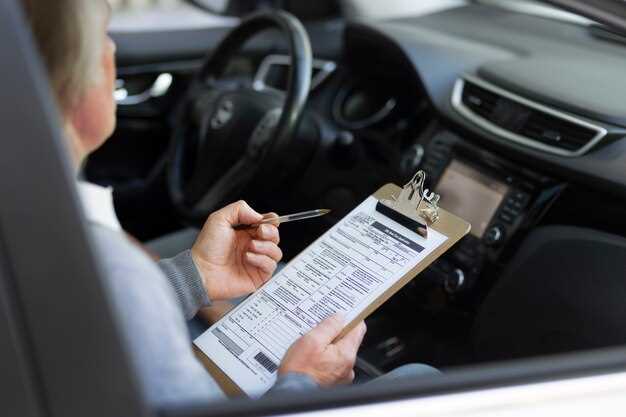
When it comes to purchasing a used vehicle, following a detailed checklist is crucial to ensure you’re making a wise investment. Begin your inspection by examining the vehicle’s exterior for any signs of damage, rust, or uneven paint, which may indicate prior accidents. Check the condition of the tires, looking for even wear and sufficient tread depth, as this can affect both safety and performance.
Next, inspect the interior of the car. Look for any unusual smells that could suggest mold or leaks, and ensure that all seating, controls, and electronics are functioning properly. Pay attention to the dashboard warning lights; any illuminated indicators should be taken seriously. A thorough examination can reveal potential red flags that are not immediately obvious.
Assess the engine by checking for leaks, strange noises, and the condition of belts and hoses. It’s advisable to check the oil and transmission fluid levels, as well as their condition, to identify any maintenance issues. A well-maintained engine is a positive sign of a car’s overall health.
Finally, take the vehicle for a test drive to assess its performance. Pay attention to how the car accelerates, brakes, and handles. Listen for any unusual sounds and check for smooth shifting in automatic transmissions or clutch engagement in manual gears. Test the car on various road conditions to evaluate its responsiveness.
By conducting a thorough inspection and test drive, you can make an informed decision and avoid potential pitfalls when buying a used vehicle.
Negotiating Price and Understanding Financing Options

When purchasing a used car, effective negotiation can significantly reduce the total cost. Start by researching the market value of the vehicle using reliable resources such as Kelley Blue Book or Edmunds. This information provides a solid baseline for discussion and helps you avoid overpaying.
During negotiations, be prepared to discuss the car’s condition, mileage, and any repairs or maintenance that may have been performed recently. Pointing out the vehicle’s flaws or maintenance needs can strengthen your bargaining position and lead to a more favorable price. Always maintain a polite and assertive attitude throughout the negotiation process; this can foster a more productive dialogue with the seller.
Understanding financing options is equally crucial. Before finalizing any deal, evaluate your budget and how much you can afford for monthly payments. Consider securing pre-approved loans from financial institutions, as this gives you a clear idea of your price range and strengthens your negotiating position by eliminating uncertainty.
Additionally, be aware of different financing terms and interest rates available to you. Shop around to find the best offers, and don’t hesitate to negotiate terms with the lender. Aim for flexibility in repayment plans that suit your financial situation. Ultimately, being informed about both the car’s pricing and financing options will help you make a smart purchase and ensure you get the best deal possible.