

Brake Fluid Basics and Maintenance Tips
Maintaining your vehicle’s braking system is crucial for ensuring safety on the road, and one of the key components in this system is brake fluid. This specialized liquid is responsible for transferring force from the brake pedal to the brake components, allowing you to slow down or stop your vehicle effectively. Regular checks and maintenance of brake fluid are essential for optimal vehicle performance and safety.
Understanding the importance of brake fluid can help drivers prevent brake failure. Over time, brake fluid can absorb moisture from the air, which can lead to reduced boiling points and increased risk of brake fade. Additionally, contaminated or degraded fluid can lead to corrosion within the braking system, potentially resulting in costly repairs. Therefore, knowing how to check and maintain brake fluid levels should be part of any driver’s routine maintenance.
This guide will provide you with essential maintenance tips to ensure your brake fluid remains in top condition. From understanding fluid types to recognizing signs of contamination, being informed will empower you to take control of your vehicle’s safety. Whether you’re a seasoned driver or new to the road, these tips are valuable for everyone looking to enhance their driving experience and ensure reliable braking performance.
Understanding the Different Types of Brake Fluid
Brake fluid is a crucial component of the braking system in vehicles. Its primary function is to transfer force from the brake pedal to the brake components, ensuring efficient stopping power. Understanding the different types of brake fluid can help drivers maintain their braking systems effectively.
Brake fluids are classified mainly into two categories: Glycol-based fluids and Mineral oil-based fluids.
- Glycol-based fluids: These types of fluids are the most commonly used in modern vehicles. They are hygroscopic, meaning they absorb moisture from the air. This can lead to a decrease in boiling point over time. Glycol-based fluids are further divided into several types:
- DOT 3: Suitable for most vehicles, it has a lower boiling point and is typically used in older models.
- DOT 4: Offers a higher boiling point and is suitable for performance vehicles. It is more resistant to moisture absorption compared to DOT 3.
- DOT 5: A silicone-based fluid that does not absorb moisture. It is often used in high-performance and classic cars. However, it should not be mixed with glycol-based fluids.
- DOT 5.1: This is similar to DOT 4 but has a higher boiling point. It is suitable for modern vehicles that require high performance under extreme conditions.
- Mineral oil-based fluids: Primarily used in hydraulic brake systems, these fluids do not absorb moisture like glycol-based fluids. They are less common in consumer vehicles but are important for certain applications, such as vintage cars.
When selecting brake fluid, it is vital to refer to the vehicle manufacturer’s specifications, as using the wrong type can negatively affect the braking system. Regularly checking and replacing brake fluid is essential for maintaining optimal performance and safety on the road.
How to Check and Top Off Your Brake Fluid Level
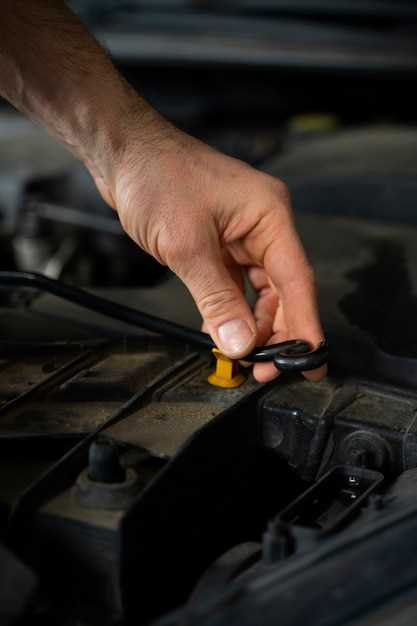
Regular maintenance of your brake system includes checking the brake fluid level. To begin, locate the brake fluid reservoir, which is typically found near the back of the engine bay, close to the driver’s side. The reservoir is usually a clear plastic container marked with minimum and maximum level lines.
Before checking the fluid, ensure that the engine is off and cool. Clean the area around the reservoir to prevent any dirt from entering the system. Carefully open the cap of the brake fluid reservoir. Inspect the fluid level against the markings on the side of the container. If the fluid is below the minimum line, it’s time to add more fluid.
When topping off your brake fluid, use only the type specified in your owner’s manual, as different brake systems require specific fluid types, such as DOT 3, DOT 4, or DOT 5.1. Pour the recommended brake fluid gently into the reservoir until it reaches the maximum line. Be cautious not to overfill, as this can lead to pressure issues within the brake system.
After adding the fluid, securely replace the cap on the reservoir. Check for any signs of leaks or deterioration in the brake system components. Regular monitoring of your brake fluid levels is crucial for ensuring safe braking performance.
Signs Your Brake Fluid Needs to be Changed
One of the most critical aspects of vehicle maintenance is ensuring that your brake system is functioning optimally. The brake fluid plays a crucial role in this system, and its condition can significantly impact your vehicle’s safety. Here are some signs that indicate your brake fluid needs to be changed.
Firstly, if you notice a change in the color of the brake fluid, it may signify contamination. Fresh brake fluid is usually a clear or light amber color. If it appears dark brown or black, it likely contains debris and moisture, which can reduce performance.
Another important indicator is the presence of a spongy or soft brake pedal. If you press the pedal and it feels unusually soft or sinks to the floor, this could indicate that air has entered the brake lines or that the fluid has absorbed moisture, diminishing its effectiveness.
Moreover, if you experience a longer stopping distance, it could be due to degraded brake fluid. This reduced efficiency can lead to dangerous situations, especially during emergency braking.
Additionally, if your vehicle’s brake warning light illuminates on the dashboard, it is essential to check the brake fluid levels. Low fluid levels may indicate a leak in the system, and prompt attention is required.
Finally, if it has been a while since your last brake fluid change–typically recommended every 1-2 years–it is wise to have it inspected. Regular maintenance helps ensure that the brake fluid remains effective and that your braking system operates safely.