

When and Why to Rotate Your Tires
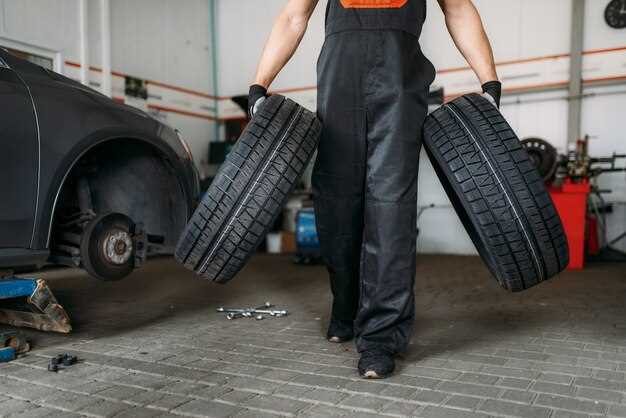
Proper tire rotation is an essential aspect of vehicle maintenance that often goes overlooked by many drivers. Over time, tires can wear unevenly based on their position on the vehicle and the type of driving conditions encountered. Understanding the optimal timing for tire rotation can significantly enhance the longevity and performance of your tires, ensuring a safer and more efficient driving experience.
Regular tire rotation not only helps to extend the life of your tires but also plays a crucial role in maintaining your vehicle’s overall handling and safety. Most manufacturers recommend rotating your tires every 5,000 to 7,500 miles, depending on the model of the vehicle and the type of tires used. Adhering to these guidelines can help prevent premature tire wear and improve your vehicle’s fuel efficiency.
In this article, we will delve into the best practices for tire rotation, explore the benefits of adhering to a tire rotation schedule, and highlight the negative consequences of neglecting this vital maintenance task. By the end, you will have a comprehensive understanding of why timely tire rotation is crucial for both safety and performance.
Optimal Schedule for Tire Rotation Based on Driving Habits
Understanding the optimal schedule for tire rotation involves analyzing your unique driving habits. Frequent short trips, aggressive driving, or heavy loads can lead to uneven tire wear, necessitating more frequent rotations. For drivers who engage in a lot of city driving with frequent stops, it is advisable to check tire alignment and rotate tires every 3,000 to 5,000 miles. This ensures even wear across all tires, enhancing performance and safety.
For those who primarily drive on highways or in less demanding conditions, a rotation every 6,000 to 8,000 miles may suffice. However, regardless of driving habits, regular inspections of tire condition are crucial. Monitoring tread depth and overall tire health will inform whether a rotation is needed sooner than the scheduled intervals.
Additionally, if your vehicle frequently carries heavy loads or if you often drive in adverse weather conditions, an adjustment to your rotation schedule may be necessary. Be aware that uneven wear can compromise tire lifespan and vehicle handling, so adapting rotation frequency based on your driving style can lead to better performance and prolonged tire life.
Identifying Signs of Uneven Tire Wear and When to Rotate

Uneven tire wear can lead to compromised vehicle safety, handling issues, and reduced tire lifespan. It’s crucial to recognize the signs indicating when tires are wearing unevenly. Key indicators include noticeable differences in tread depth across the tire, bald spots, or excessive wear on one side of the tire. Additionally, if you experience vibrations while driving or if the vehicle pulls to one side, these can also suggest uneven wear.
Monitoring tire wear patterns is essential. For example, if the inner or outer edges of the tires show more wear compared to the center, this could indicate improper alignment or inflation issues. On the other hand, if the center of the tread is worn more than the edges, it could be a sign of over-inflation.
Regular rotation is a proactive measure to combat uneven wear. Most manufacturers recommend rotating tires every 5,000 to 8,000 miles, though this may vary based on driving conditions and vehicle type. By following a rotation schedule, you ensure that all tires wear evenly, enhancing performance and extending their lifespan. It’s important to keep an eye on tire condition between rotations and address any alignment or inflation issues promptly to prevent uneven wear from developing.
Impact of Regular Tire Rotation on Vehicle Performance and Safety

Regular tire rotation plays a crucial role in maintaining optimal vehicle performance and ensuring safety on the road. Tires experience uneven wear patterns due to variations in weight distribution and driving habits. By rotating tires at recommended intervals, typically every 5,000 to 8,000 miles, drivers can ensure more uniform wear across all tires.
When tires wear evenly, vehicles maintain better traction, handling, and stability. Properly rotated tires contribute to improved grip, particularly in adverse weather conditions. This leads to enhanced braking performance and reduced stopping distances, significantly increasing safety.
Moreover, regular tire rotation helps in extending the overall lifespan of the tires. Well-maintained tires can prevent premature replacements, saving money in the long run. Additionally, maintaining optimal tire conditions ensures better fuel efficiency, as unevenly worn tires may lead to increased rolling resistance and decreased mileage.
In summary, regular tire rotation is essential for promoting even wear, improving vehicle performance, and enhancing overall safety. Neglecting this important maintenance task can result in compromised driving dynamics and increased risks on the road.